How Much Is My Horse Farm Worth in Caledon?
If you own a horse farm in Caledon, you've probably wondered what it would sell for. The honest answer is that equestrian properties are among the hardest homes to value. No two are alike, and there are far fewer comparable sales than in a typical neighbourhood.
That doesn't mean value is a mystery. It means you need to understand what buyers are actually paying for. Here's how I walk owners through it.
Why horse farms are harder to value
A standard home is valued mostly on its house, lot and location. A horse farm is closer to three properties in one:
The land: acreage, topography, soil and drainage.
The home: size, condition, quality and setting.
The equestrian improvements: barns, arenas, paddocks, fencing and water.
Each part appeals to buyers differently. A buyer who wants a show-quality facility may pay a premium for an indoor arena that a hobby-farm buyer would never use. The real question is not just "what is it worth?" but "what is it worth to the buyers most likely to want it?"
The factors that matter most
Land and usable acreage
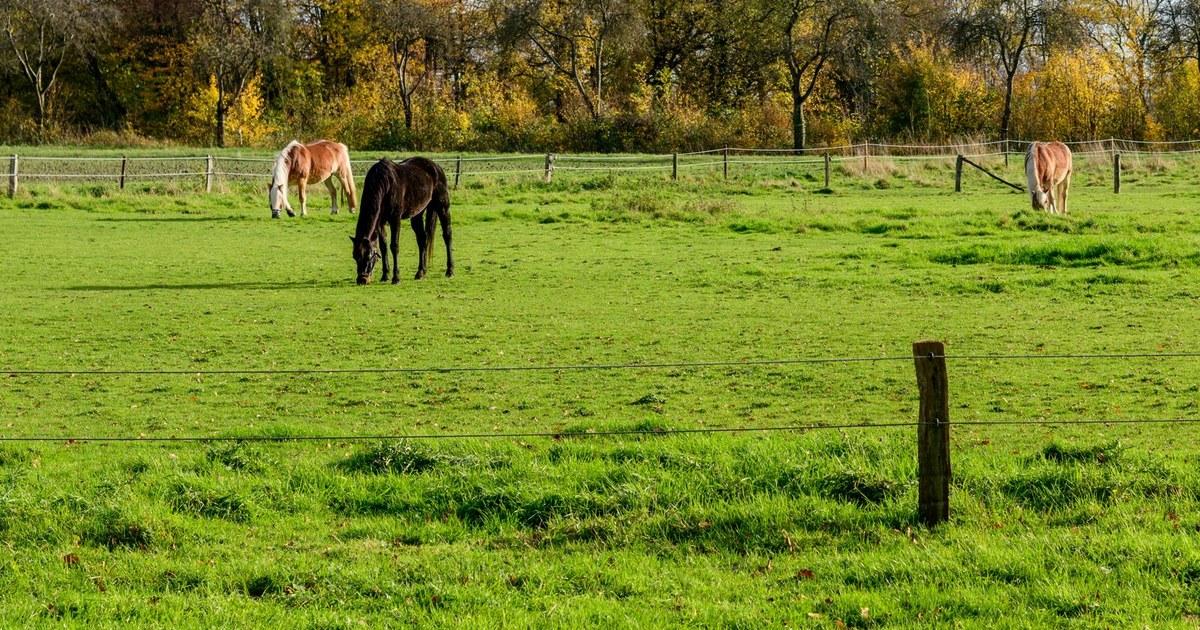
Total acreage matters, but usable acreage matters more. Buyers look closely at how much land is suitable for turnout and riding, and how well it drains. They want to know whether slopes, wetlands or woodlots limit its use. Level, well-drained pasture is valuable.
The barn
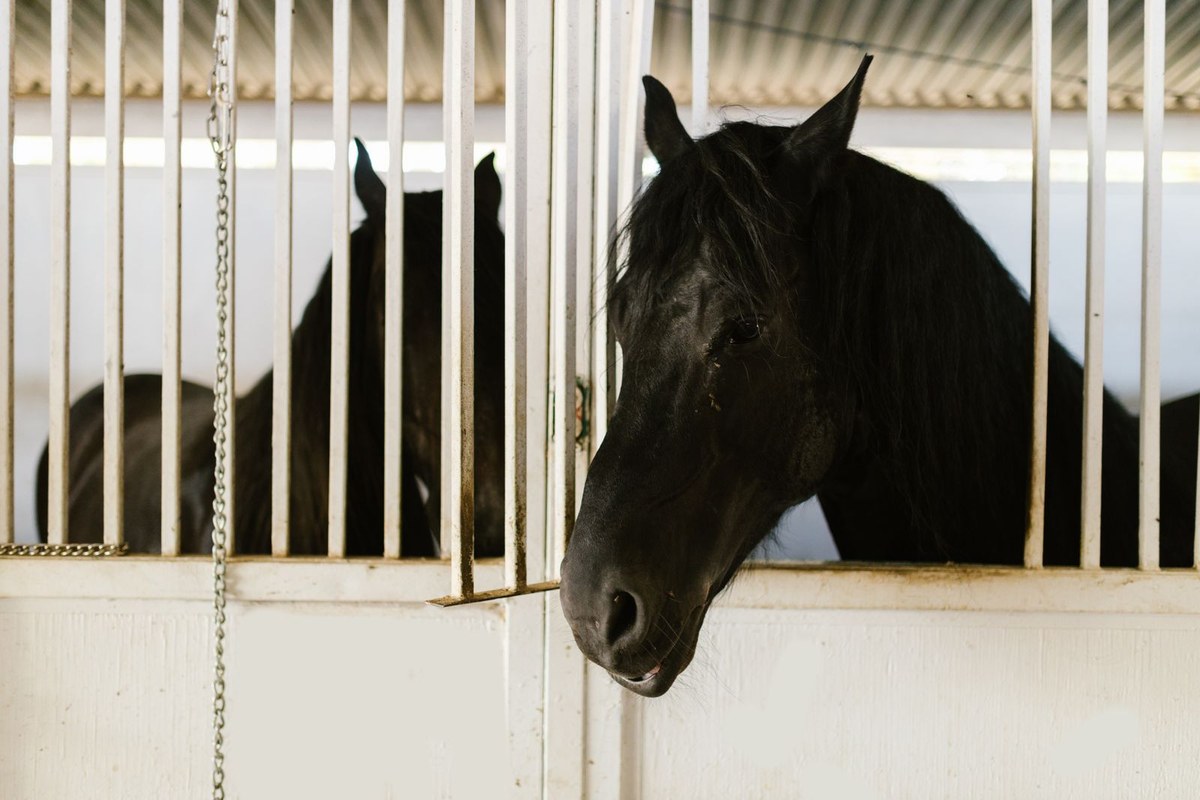
Stall count, construction quality, ventilation, layout, wash and tack areas, hay storage, and the condition of the roof and electrical systems all affect value. A well-built, well-maintained barn is often the single biggest equestrian draw.
Arenas
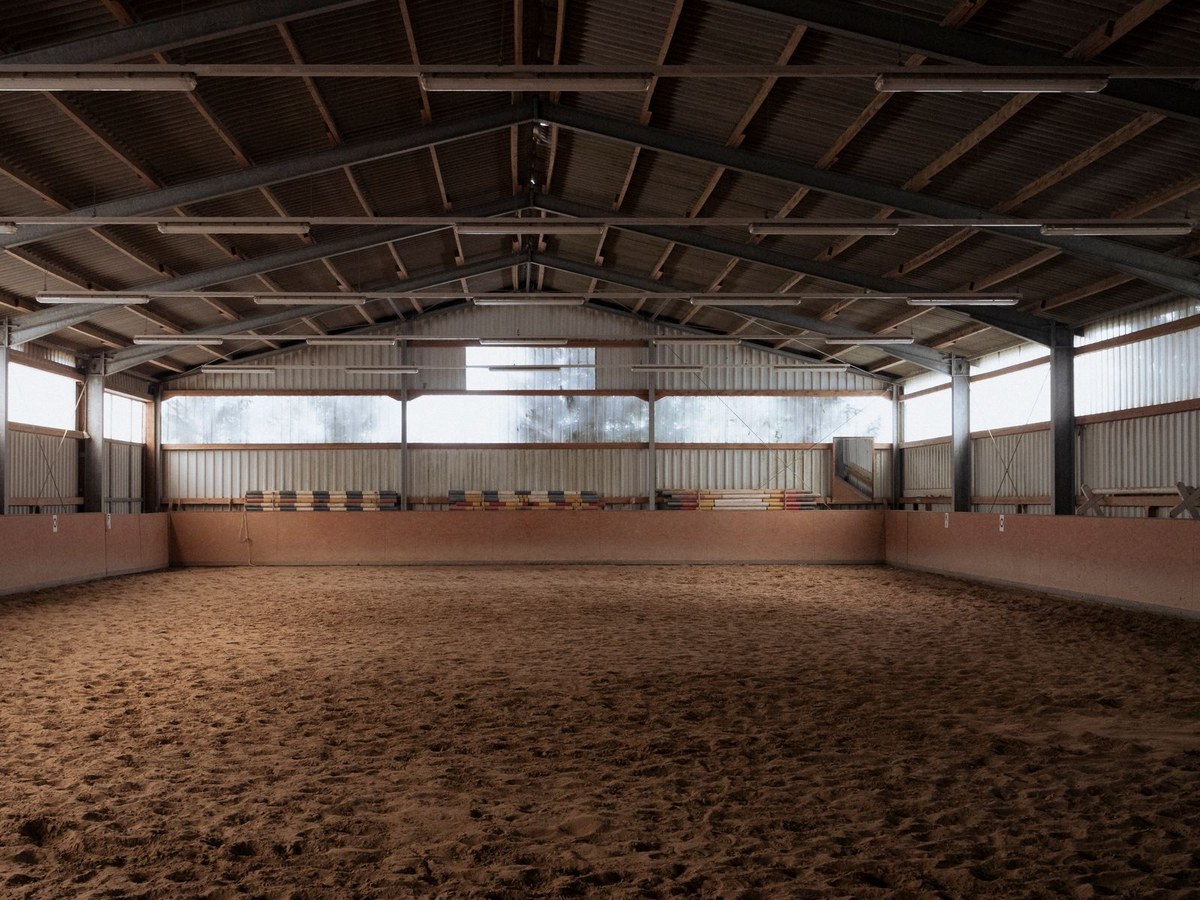
An indoor arena extends the riding season through Ontario winters and can significantly widen your buyer pool. Size, height, lighting and footing matter. A well-maintained outdoor ring adds value too.
Paddocks, fencing and water
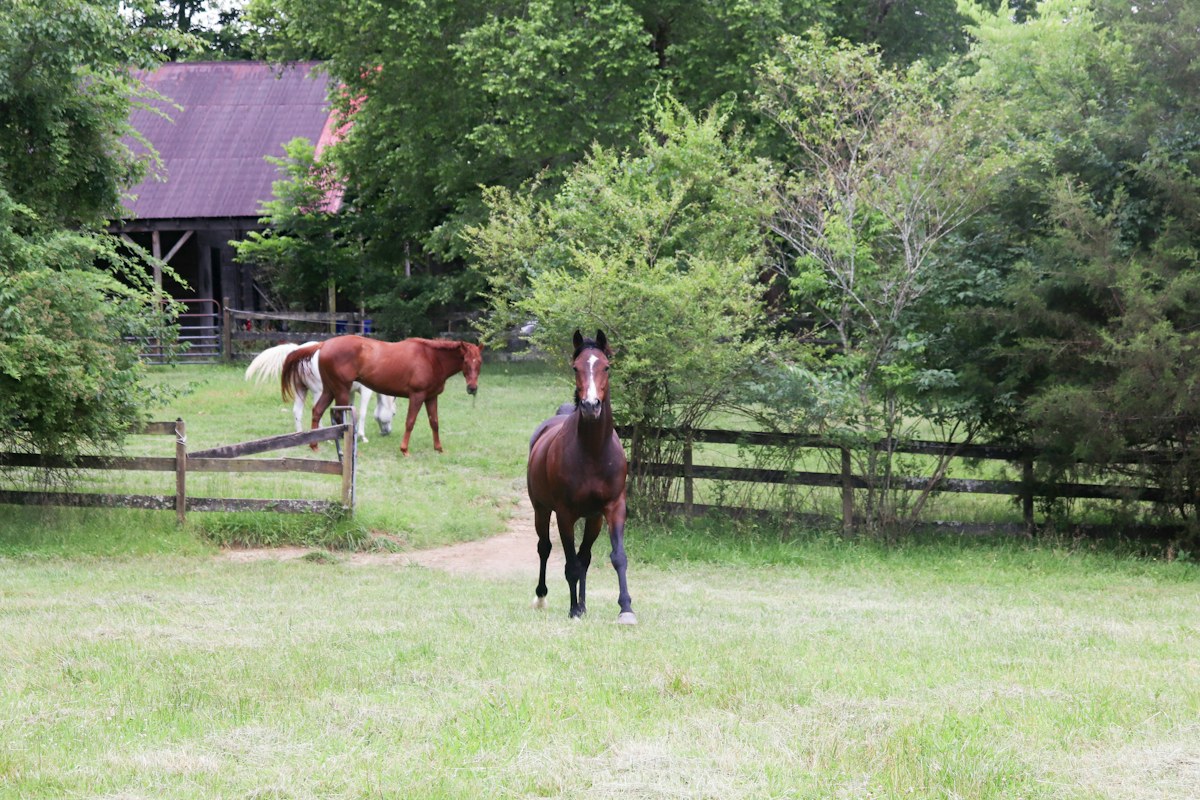
Safe, well-maintained fencing, thoughtful paddock layout, run-in sheds and reliable water to the barn and paddocks are things serious buyers check carefully.
The house
Many buyers are buying a home first and a farm second. The quality, size and condition of the house, and how it sits on the property, often decide whether a buyer falls in love with the farm.
Location
Caledon sits in one of Ontario's most established equestrian areas. Access to trails, show venues, equine veterinarians, farriers and feed suppliers all matters to buyers. So does commuting distance to Toronto for buyers who still work in the city.
Permitted uses and land-use rules
What can a buyer legally do with the property? Board horses, run a lesson program, add a building? Parts of Caledon fall within the Niagara Escarpment Plan area, the Oak Ridges Moraine or conservation-authority regulated areas. Rules there can affect new structures and uses. A property with clear permissions is easier to sell. Confirm the details with the Town of Caledon and the relevant agencies.
How an accurate value is determined
Because comparable sales are limited, a sound valuation usually brings together several approaches:
Comparable sales of similar equestrian properties in Caledon, King, Erin and nearby areas, adjusted for differences in land, buildings and facilities.
The value of the improvements: what it would cost to build comparable barns and arenas today, less wear and age.
Buyer demand: who is actively looking, at what price points and for which features.
For some owners, especially with financing, estate planning or a complex property involved, an appraisal from an appraiser experienced with rural and equestrian properties is worth the cost.
What owners can do to protect value
If selling is a year or two away, a few steps can make a real difference:
Address deferred maintenance on the barn roof, fencing and footing.
Gather documents: surveys, permits for buildings, well and septic records, and any agreements on use.
Keep simple records of improvements and their costs.
Photograph the property in every season; spring and summer images matter when you list in winter.
If you're earlier in the process and still weighing whether a country property is right for you, my guide to buying horse property in Ontario covers the buyer side of the same decisions.
Frequently asked questions
How is a horse farm appraised in Ontario?
Typically by combining comparable sales, the value of improvements such as barns and arenas, and an analysis of the land. Choose an appraiser experienced with rural and equestrian properties.
Does an indoor arena add value?
Usually, especially in Ontario, because it allows year-round riding and widens the pool of serious equestrian buyers. How much it adds depends on its size, condition and quality.
Is it better to sell a horse farm in spring?
Spring and summer show a farm at its best, but the right time depends on your plans and the market. Seasonal photography lets you market well year-round.
Do I need special permits for barns or arenas in Caledon?
Often yes. Depending on location, building permits and approvals from the Niagara Escarpment Commission or a conservation authority may be required. Confirm with the Town of Caledon.
Who buys horse farms in Caledon?
Buyers range from competitive riders and trainers to families wanting a hobby farm, and buyers seeking a country estate who value the land more than the facilities.
Curious what your farm could be worth?
I specialize in equestrian and country properties across Caledon, King and Erin. I'm happy to walk your property with you and talk through the factors that drive its value. The conversation is confidential and there's no obligation.
Sources

Natasha Euteneier
Real Estate Salesperson
NSE Real Estate Advisors & Family Office
Keller Williams Advantage Realty, Brokerage
Thinking further ahead than one sale? I put together a free course on building and transferring wealth through real estate. Watch it here.
This article is general information and is not an appraisal or an opinion of value for any specific property.
This article is general information and is not an appraisal or an opinion of value for any specific property.