Everything You Need to Know About Buying a Horse Property in Ontario (2026 Guide)
Owning a horse property is about far more than buying land.
For many people, it's about creating a lifestyle. It's waking up to open fields instead of traffic, riding your horse before work, watching your children grow up around animals, and enjoying a property that brings together luxury, nature, and privacy.
Whether you're an experienced equestrian, purchasing your first hobby farm, or searching for a luxury country estate with equestrian amenities, this guide will help you understand everything you need to know before buying a horse property in Ontario.
Why More Buyers Are Looking at Horse Farms and Country Estates
Over the last several years, many successful professionals, entrepreneurs, executives, and families have been looking beyond traditional luxury homes.
Instead, they're investing in:
Horse farms
Luxury country estates
Hobby farms
Equestrian facilities
Recreational properties
Multi-acre estates
Many buyers appreciate:
Privacy
Space
Long-term land ownership
A healthier lifestyle
Room for horses and animals
Future family legacy
Unlike many suburban homes, well-located country estates offer a lifestyle that's difficult to replicate.
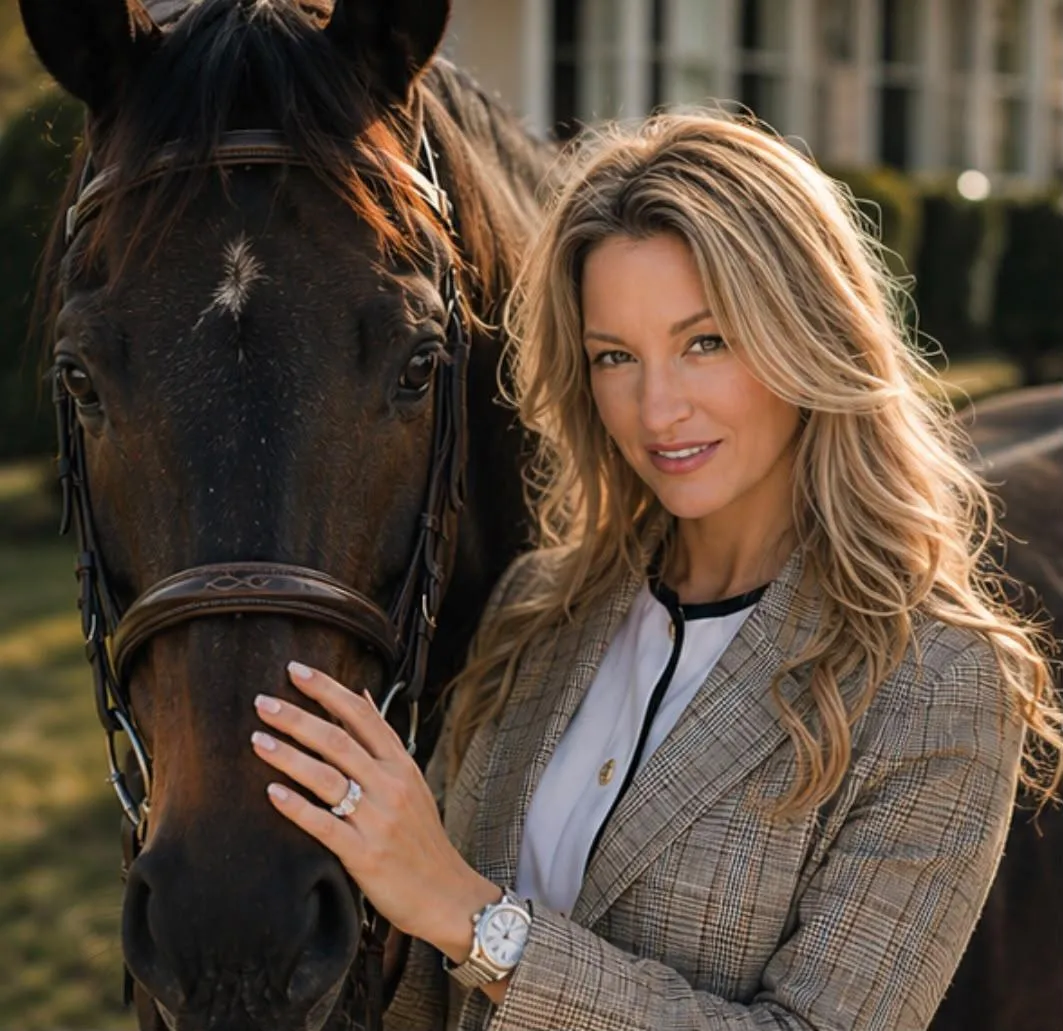
My Experience with Horses
Long before I became a REALTOR®, I grew up riding and competing in horse shows.
Some of my favorite memories were spent at the barn—training, caring for horses, travelling to competitions, and learning the discipline that comes with the equestrian lifestyle.
Horses taught me responsibility, patience, consistency, resilience, and hard work.
Those same values are how I approach real estate today.
Because I've lived the equestrian lifestyle, I understand what buyers are actually looking for—not just the house, but the functionality of the property.
What Makes a Great Horse Property?
Every property is different. Some buyers only need a few acres. Others need a professional training facility.
Things I help clients evaluate include:
Acreage
Drainage
Pasture quality
Fencing
Barn construction
Indoor or outdoor arenas
Riding trails
Water supply
Well capacity
Septic systems
Equipment storage
Future expansion potential
Zoning
Agricultural uses
Conservation restrictions
The house is only one part of the purchase. The land often matters even more.
Horse Properties Can Be Excellent Long-Term Investments
While every market is different, quality land has historically been one of the strongest long-term assets.
Many buyers are attracted to horse farms because they offer:
Limited supply
Unique lifestyle value
Multiple income opportunities
Potential appreciation
Multi-generational ownership
Depending on zoning and the property, owners may generate income through:
Boarding horses
Training facilities
Riding lessons
Breeding programs
Hay production
Agricultural activities
Events
Vacation rentals (where permitted)
Every property is unique, so it's important to understand local regulations before purchasing.
Understanding Tax Considerations
Many buyers ask about taxes when purchasing a farm or equestrian property. The answer depends on how the property is used.
Potential considerations may include:
Farm property tax programs (where eligibility requirements are met)
Agricultural classifications
Business deductions for legitimate farming operations
HST implications
Income-producing uses
Because every situation is different, I always recommend speaking with an accountant and tax professional before making decisions based on tax planning.
Country Estates Are More Than Luxury Homes
Today's buyers aren't just looking for square footage. They're looking for experiences.
Country estates offer:
Privacy
Nature
Space for family
Wellness
Outdoor living
Horses
Recreation
Investment potential
Many of my clients say they're not simply buying a home—they're buying a completely different way of living.
Common Mistakes Buyers Make
The biggest mistakes I see include:
Buying the house without evaluating the land
Not understanding zoning
Underestimating maintenance costs
Ignoring drainage
Not evaluating the barn
Forgetting about future resale value
Working with someone who understands both luxury real estate and equestrian properties can help buyers avoid expensive surprises.
Why I Love Helping Clients Buy and Sell Horse Properties
Helping clients purchase an equestrian property combines two passions that have been part of my life for years.
Having grown up competing in horse shows and spending countless hours at the barn, I understand what makes these properties special—not only from a real estate perspective, but from the perspective of someone who has lived the lifestyle.
Whether you're searching for your first hobby farm, a luxury country estate, or a professional equestrian facility, my goal is to make the process informed, enjoyable, and successful.
Thinking About Buying or Selling a Horse Property?
If you're considering buying or selling:
Horse farms
Luxury country estates
Hobby farms
Equestrian facilities
Acreage properties
Rural luxury homes
Whether you're looking for the perfect property or preparing yours for sale, I'd love to share my experience and guide you through every step of the process.
Frequently Asked Questions
What should I look for when buying a horse property in Ontario?
Acreage, drainage, pasture quality, fencing, barn construction, indoor or outdoor arenas, riding trails, water supply, well capacity, septic systems, equipment storage, future expansion potential, zoning, agricultural uses, and conservation restrictions.
Are horse farms a good long-term investment?
Quality land has historically been one of the strongest long-term assets. Horse farms offer limited supply, unique lifestyle value, multiple potential income opportunities such as boarding, training, lessons, breeding, and hay production, possible appreciation, and multi-generational ownership.
What tax considerations apply to a horse or farm property?
Depending on how the property is used, considerations may include farm property tax programs, agricultural classifications, business deductions for legitimate farming operations, HST implications, and income-producing uses. Always speak with an accountant or tax professional before making decisions based on tax planning.
What are the most common mistakes buyers make when purchasing a horse property?
Buying the house without evaluating the land, not understanding zoning, underestimating maintenance costs, ignoring drainage, not evaluating the barn, and forgetting about future resale value.